Exploring the cultural tapestry woven by casinos in society today
The Evolution of Casinos in Modern Culture
Casinos have transitioned from mere venues for gambling to vibrant cultural hubs that play a significant role in society. Originally established as places for high-stakes betting, today’s casinos encompass a range of experiences, from entertainment and fine dining to luxury accommodations. This evolution reflects broader societal changes, where gambling has become more normalized and intertwined with social gatherings and leisure activities. For those interested in exploring the excitement of gaming, canada online casinos present an engaging option.
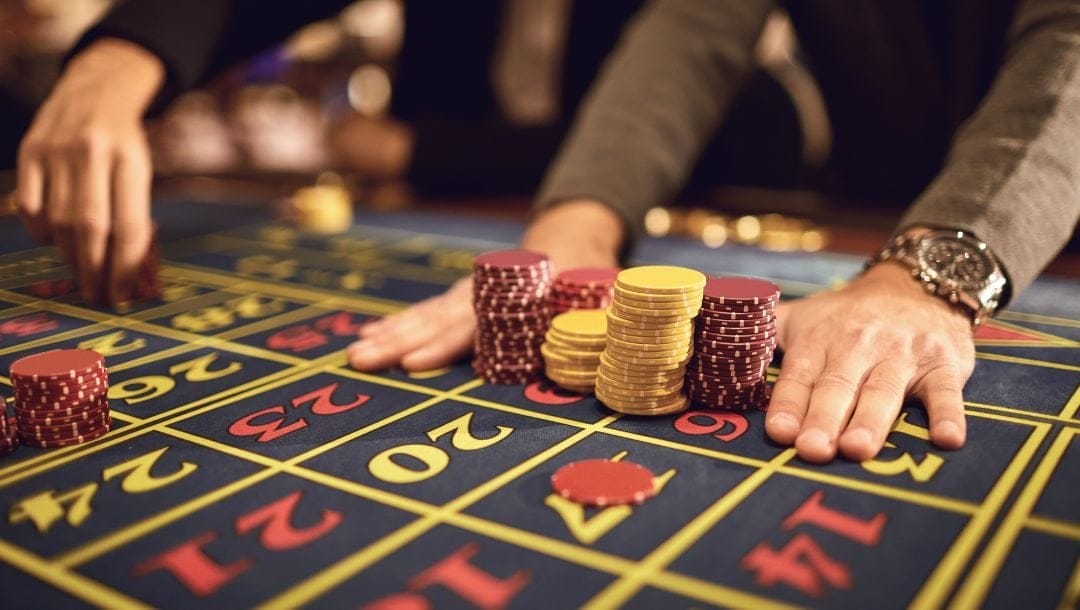
As casinos have become more integrated into the urban landscape, they serve not only as economic engines but also as symbols of excitement and excess. The glitz and glamour of casino architecture often mirror the aspirations and lifestyles of individuals seeking escape and entertainment. This transformation invites a deeper examination of how casinos influence social dynamics and community interactions.
Casinos as Social Spaces
In contemporary society, casinos function as social spaces that foster interactions among diverse groups of people. These venues are often bustling with energy, serving as meeting points where individuals from various walks of life come together. The shared experience of gaming, dining, and entertainment breaks down social barriers, creating a unique environment where camaraderie can flourish.
Moreover, many casinos host events and shows that attract larger audiences, reinforcing their role as entertainment centers. From concerts to comedy shows, these offerings cater to a wide range of interests, drawing in not just gamblers but anyone looking for a lively night out. This blending of entertainment and gaming culture adds another layer to the social significance of casinos.
The Impact on Local Economies
Casinos have a profound impact on local economies, providing job opportunities and stimulating tourism. The influx of visitors seeking gaming and entertainment can lead to increased revenue for nearby businesses, from hotels to restaurants and shops. This symbiotic relationship helps to create a thriving economic ecosystem that benefits the entire community.
Additionally, many casinos engage in corporate social responsibility initiatives, contributing to local charities and supporting community development projects. This not only enhances their public image but also reinforces their commitment to being a positive force within society. As such, casinos are not just places of leisure; they play a vital role in shaping the economic landscape of their locales.
The Cultural Perception of Gambling
The cultural perception of gambling has evolved significantly over the years. Once viewed with skepticism and stigma, gambling is now increasingly accepted and even celebrated in various contexts. The portrayal of casinos in popular media, such as films and television shows, has contributed to this shift, often romanticizing the thrill of the game and the allure of high-stakes betting.
This changing perception opens up discussions about responsible gambling and the importance of understanding the risks involved. As more people engage with casinos, there is a growing need for education on how to gamble responsibly and recognize the signs of problem gambling. This awareness fosters a healthier relationship with gaming as a form of entertainment.

Conclusion: The Future of Casinos and Cultural Interplay
As casinos continue to evolve, their influence on culture and society is likely to grow. Innovations in technology, such as online gaming and virtual reality, promise to further transform the casino experience, potentially reaching new audiences and reshaping traditional perceptions. The cultural tapestry woven by casinos reflects the complexity of human interaction, leisure, and economic activity.
By exploring the multifaceted role of casinos, we can appreciate their significance not only as entertainment venues but as key players in the cultural landscape. As we move forward, understanding this interplay between casinos and society will be essential in navigating the future of gambling and its impact on our lives.